
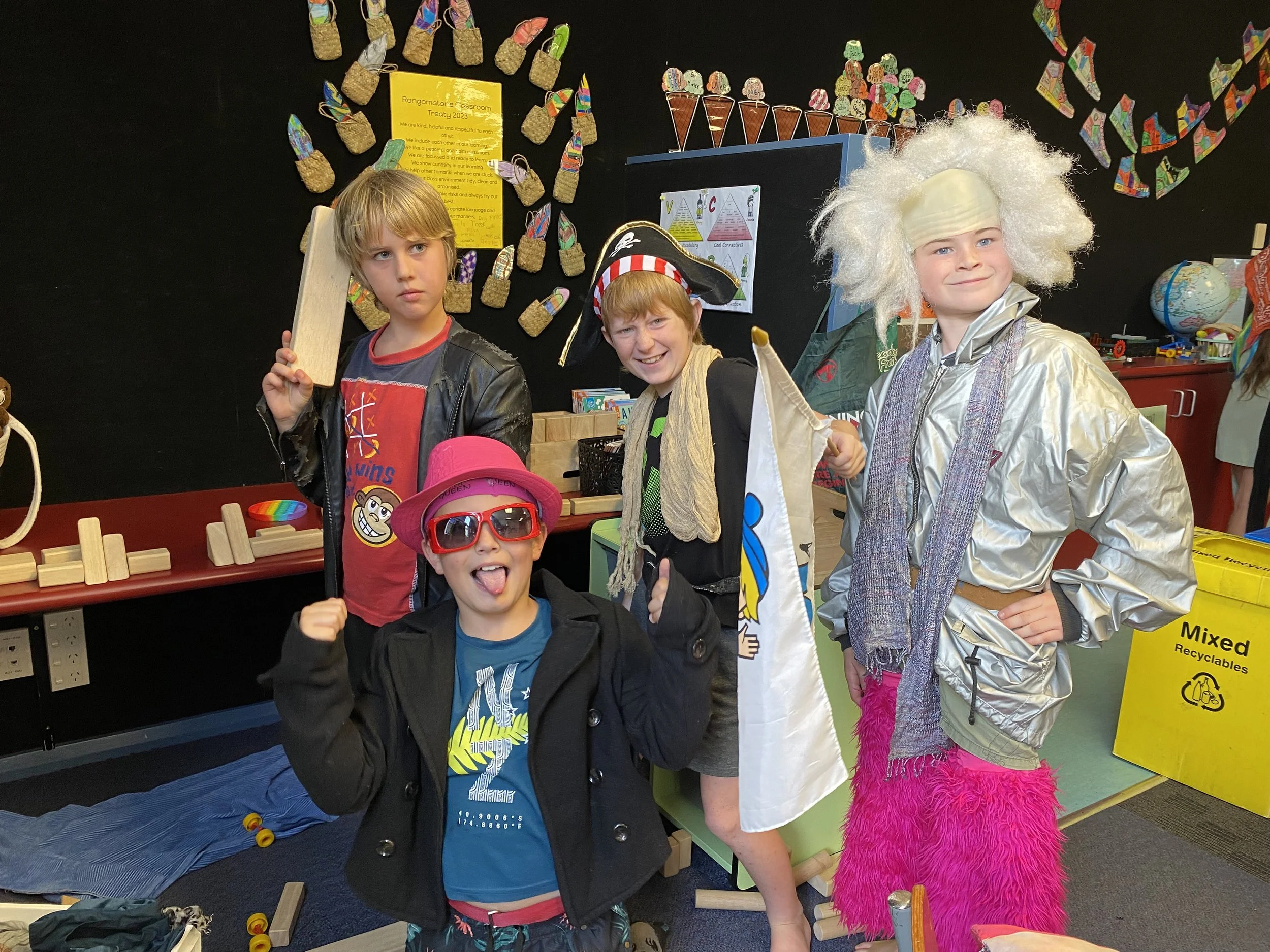
Approaches to Dramatic Inquiry
Dramatic Inquiry provides a flexible framework comprising six core approaches. These can be grouped into three main categories, from early imaginative play through to complex, real-world inquiries. Each one can stand alone or build on the others, depending on the needs of your learners and your teaching context.
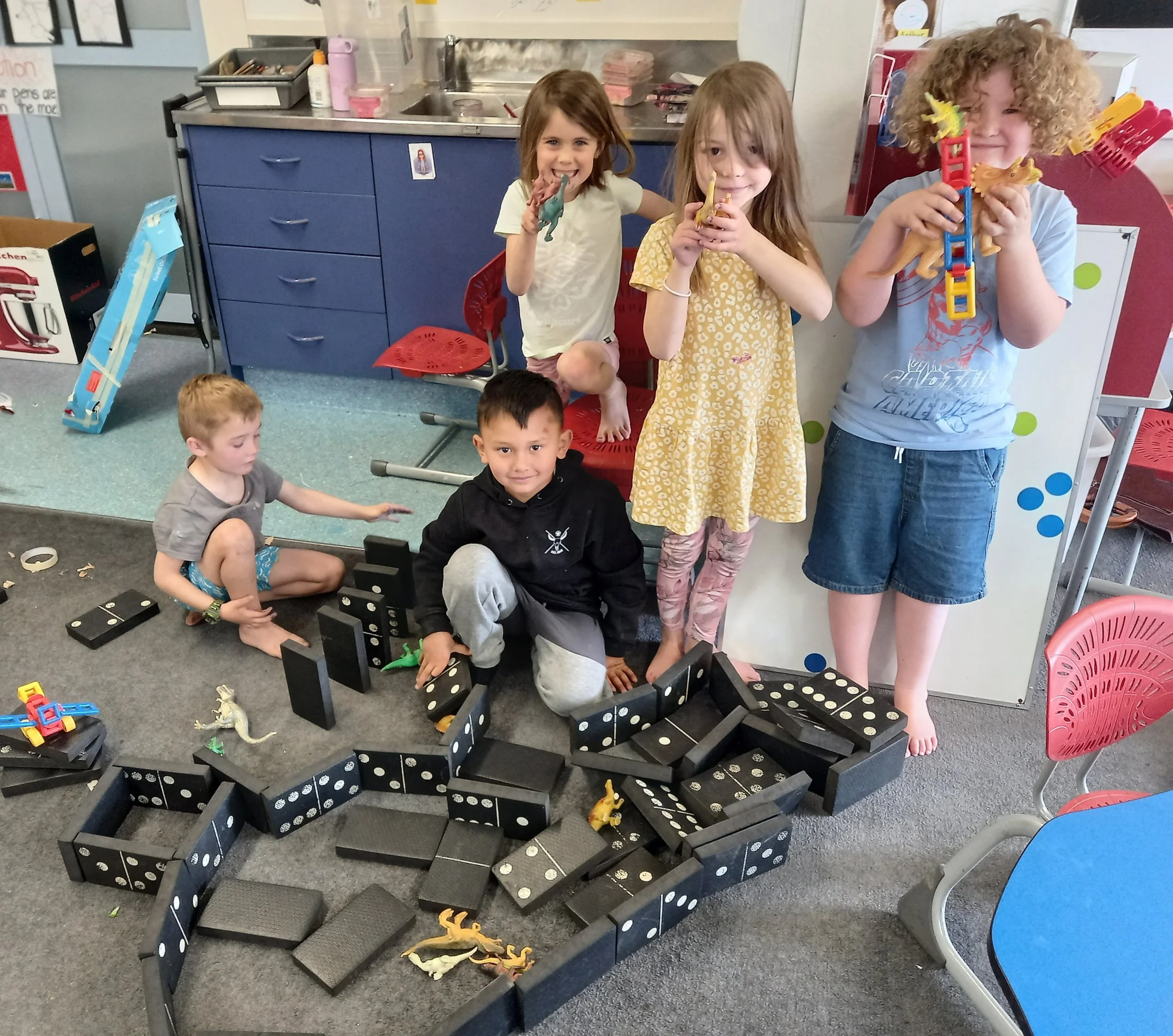
1. Child-Structured Dramatic Play
What it is:
Imaginative, embodied play led by children themselves. It includes fantasy, roleplay, superhero play, and symbolic use of toys, blocks, or puppets to tell stories and explore relationships.
What it looks/sounds like:
Open-ended and spontaneous. Children may play alone or in groups, move freely in and out of role, and sustain the experience for as long as it holds their interest. Often rich with social exploration and emotional expression.
Who it's suited for:
Primarily early childhood through to early primary, though older learners can also benefit from revisiting playful modes.
Learners are:
Improvising, negotiating roles, exploring social dynamics, and using language and symbols creatively.
Teachers are:
Observing, standing back, or joining in as co-players. Supporting safely, prompting reflection, and gently extending the play when appropriate.
Developmentally connected to:
Symbolic thinking, social-emotional learning, and verbal communication in early and middle childhood.
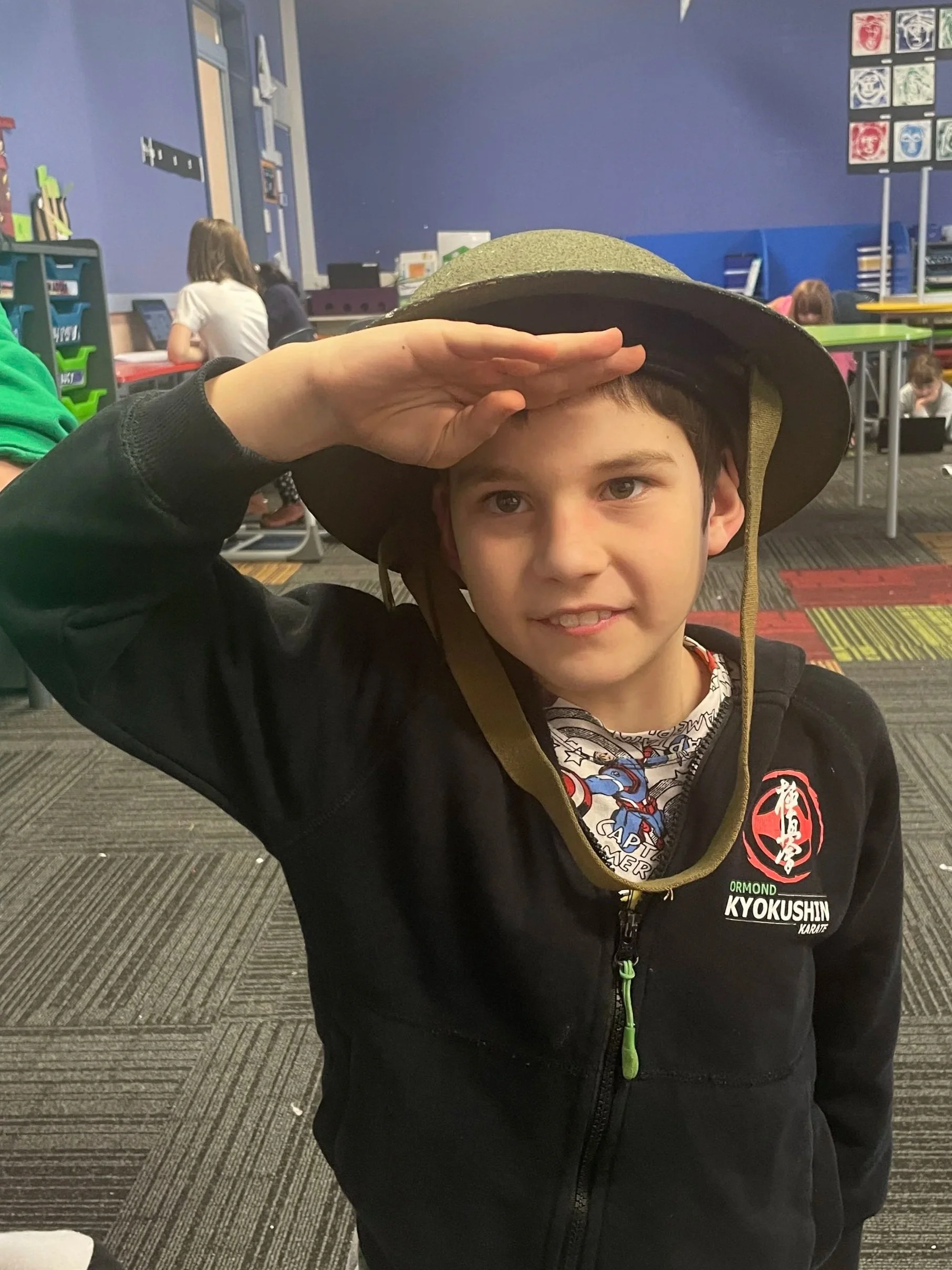
2. Drama for Learning
What it is:
The use of drama strategies (like teacher-in-role, freeze frames, or guided storytelling) within a lesson to enhance understanding in any subject area.
What it looks/sounds like:
Slightly more structured than free play. The teacher leads the activity, leaving space for learners to contribute, respond, and take ownership. Students may move in and out of role and reflect on the process.
Who it's suited for:
All age groups, especially junior primary, as a bridge from play into more structured inquiry.
Learners are:
Working together in imagined or real contexts, engaging with curriculum content through dramatic action, and reflecting on both their role and real-world connections.
Teachers are:
Planning purposeful experiences, introducing tension and intrigue, leading the drama while staying flexible to learners' ideas, and guiding reflection.
Developmentally connected to:
Language development, abstract thinking, and collaborative learning in early to middle childhood.
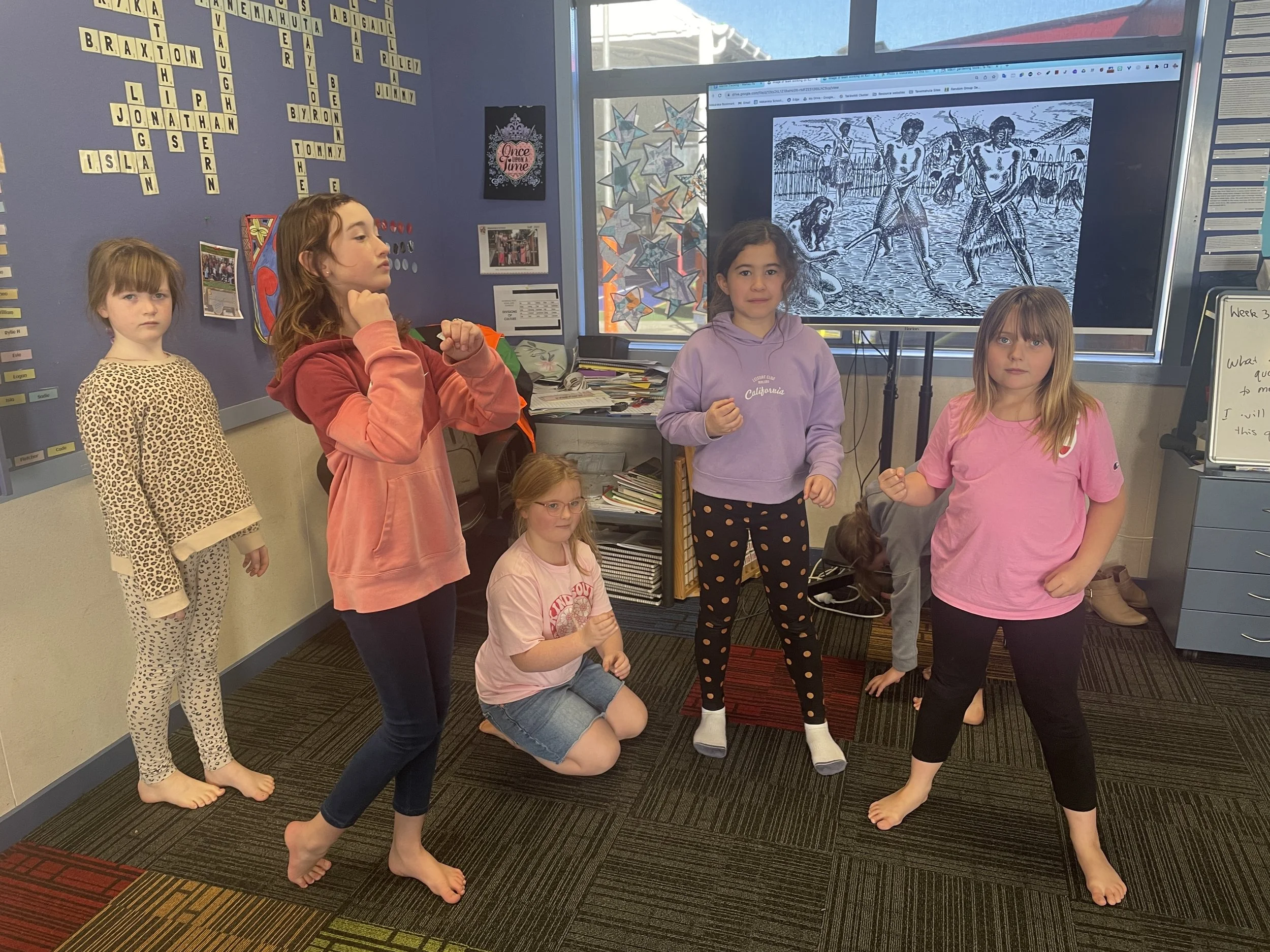
3. Process Drama
What it is:
A co-created drama, usually based on a story, pretext, or historical event. Learners and the teacher step in and out of role over a series of lessons to explore tensions and ideas.
What it looks/sounds like:
Semi-structured, often episodic. The teacher brings a storyline arc but remains responsive to learners' contributions. Reflection and role-shifting are ongoing.
Who it's suited for:
All ages. Frequently used in primary, intermediate, and junior secondary settings.
Learners are:
Exploring, responding to, and extending a fictional situation. They move in and out of roles, develop language and ideas, and apply curriculum knowledge in creative ways.
Teachers are:
Preplanning key dramatic moments while allowing for spontaneous inquiry. Leading from within the fiction and deepening student thinking through questioning and feedback.
Developmentally connected to:
Abstract thought, empathy, and perspective-taking — typically from middle childhood through adolescence.
4. Mantle of the Expert
What it is:
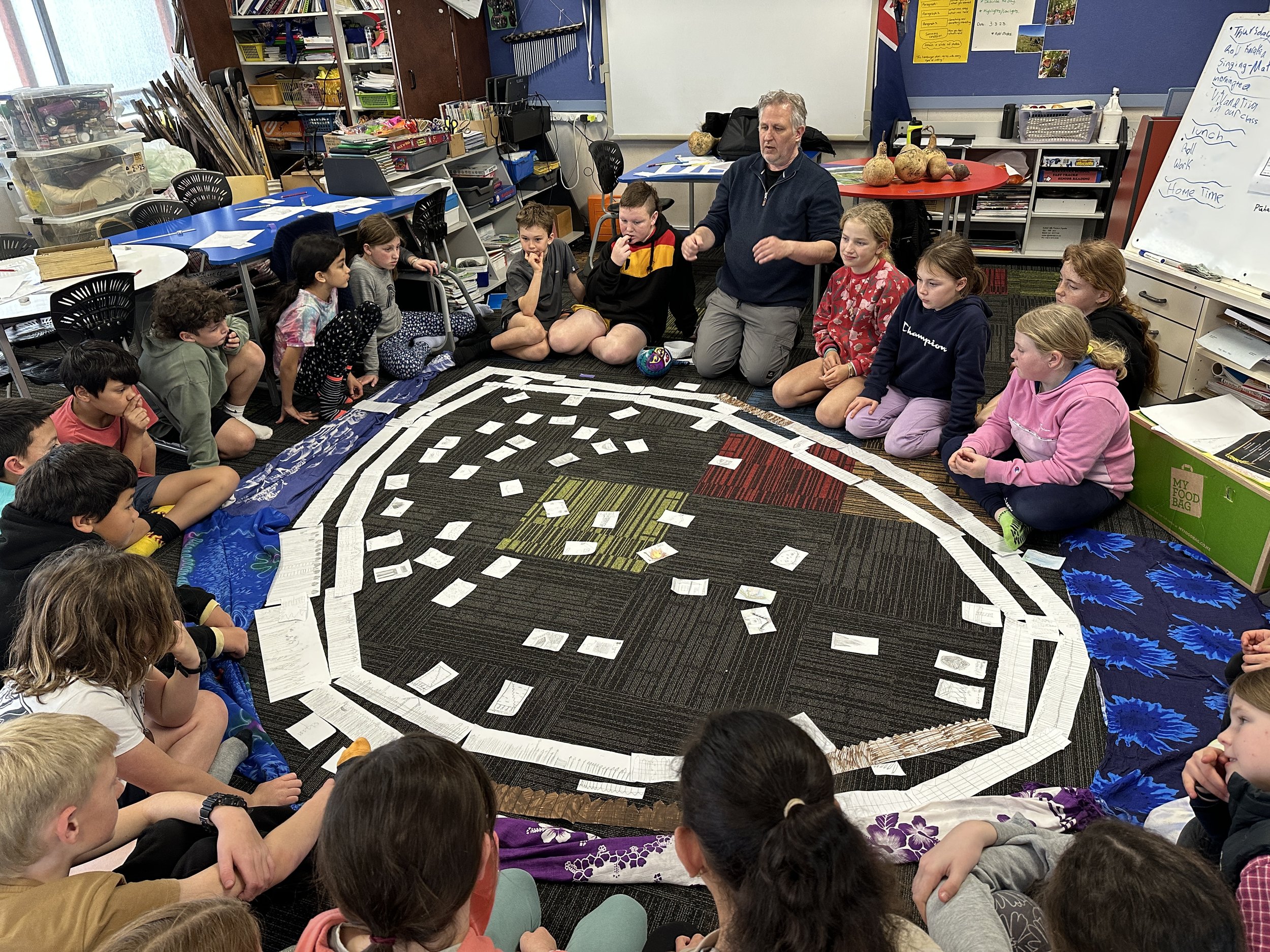
A long-term, curriculum-rich dramatic inquiry where learners take on the role of a team of experts completing a commission for a fictional client.
What it looks/sounds like:
Sustained over weeks or a full term. Learners operate within a fictional frame, applying knowledge across multiple subjects to respond to authentic challenges. The experience often re-shapes timetables and classroom norms.
Who it's suited for:
Adaptable for all ages, but most commonly used in primary and intermediate schools where curriculum flexibility is available.
Learners are:
Solving problems, co-constructing knowledge, producing authentic work, and reflecting continuously on both the fiction and the real-world parallels.
Teachers are:
Facilitating inquiry, guiding the drama, co-planning with learners, and weaving curriculum content deliberately into the experience.
Developmentally connected to:
Increased independence, perspective-taking, and integrative thinking across the curriculum, suitable for middle childhood through adolescence.
5. Commission Model
What it is:
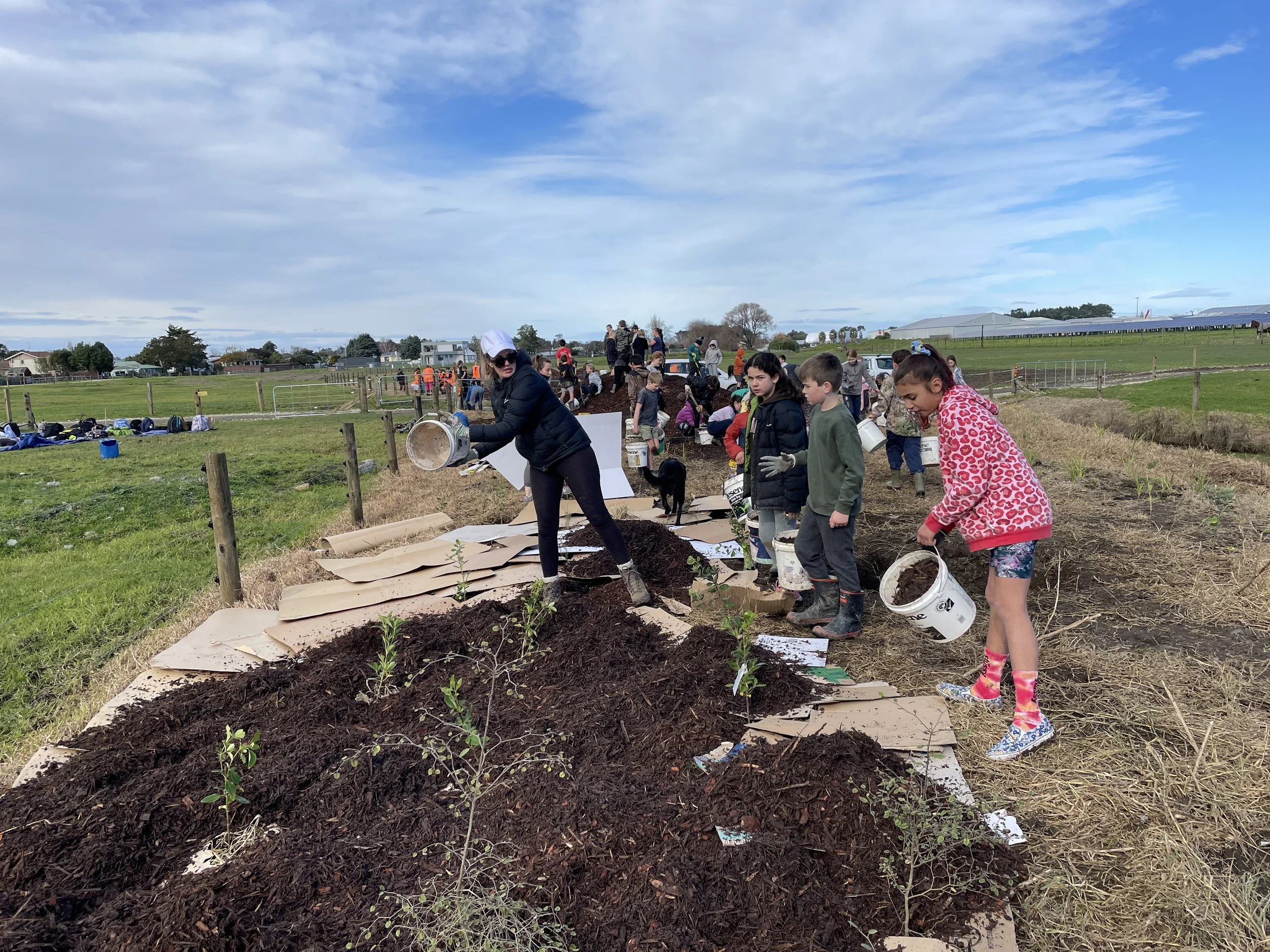
An evolution of Mantle of the Expert, but with a real-world client and a real-world outcome. Students still work within a dramatic frame but engage with actual organisations or communities.
What it looks/sounds like:
Fluid, real-time, and anchored in genuine social action. Learners may work as fictional teams or as themselves, using drama to explore multiple perspectives before creating a meaningful product or outcome.
Who it's suited for:
Often used with adolescent and adult learners, but adaptable with younger students when simplified.
Learners are:
Collaborating across curriculum areas, responding to real needs, and managing timelines, feedback, and ethical considerations.
Teachers are:
Liaising with clients, managing real-world constraints (e.g. time, budgets), and supporting students to stay grounded in inquiry while working toward public outcomes.
Developmentally connected to:
Adolescent and adult development, including identity formation, abstract reasoning, and real-world planning.
6. Rolling Role
What it is:
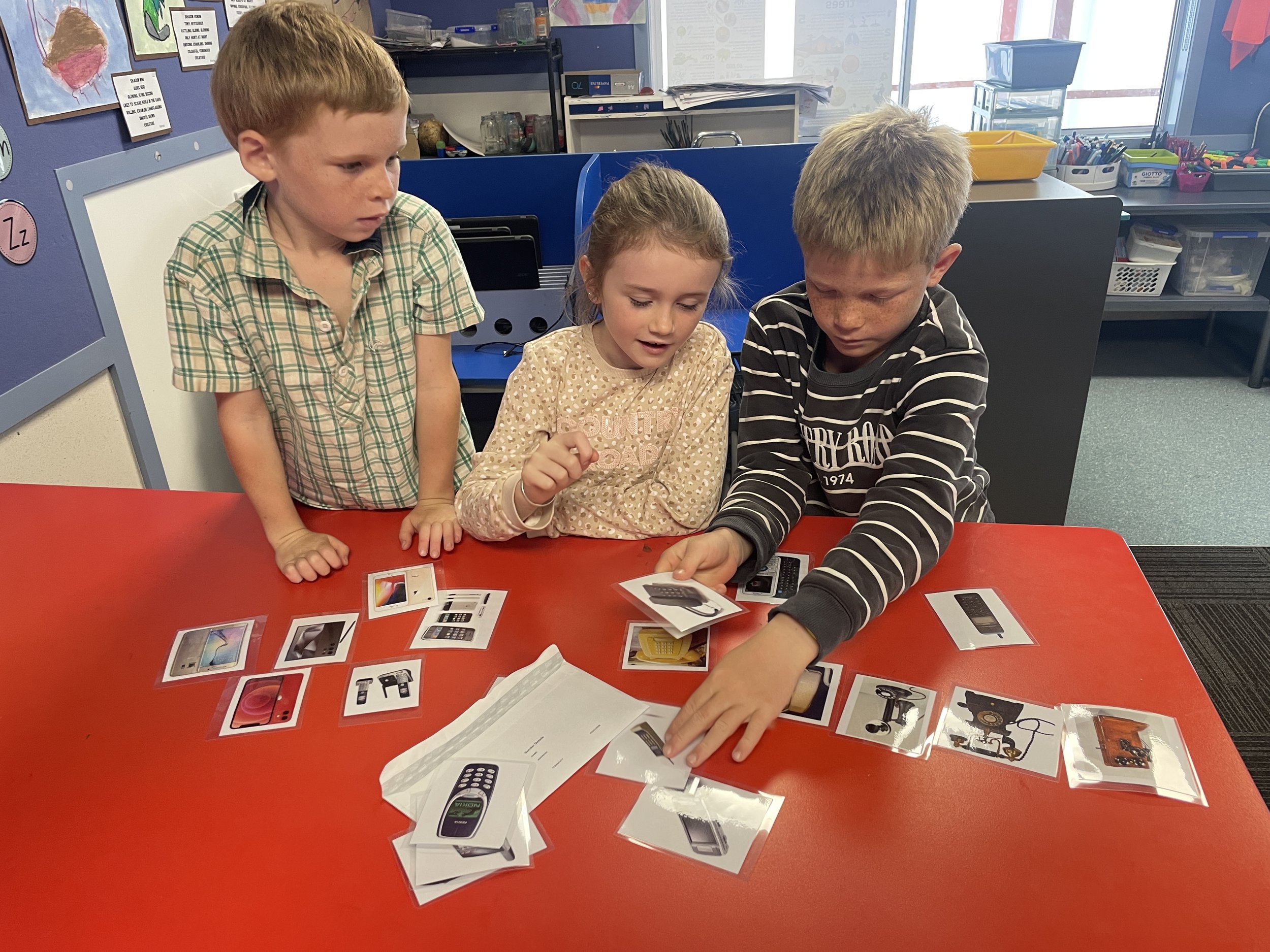
A collaborative dramatic inquiry where multiple groups (within or across schools) contribute to a shared imagined world. Each group takes on a different perspective, and the story unfolds collectively.
What it looks/sounds like:
Flexible and layered. Different groups may work in various classrooms, schools, or even countries, all contributing to a single storyline, passing information between them, and shaping events as they go.
Who it's suited for:
All ages, particularly intermediate and secondary school students. Can be used across multiple classrooms or in innovative learning environments.
Learners are:
Operating both within their group and as part of a broader shared narrative. They manage information, reflect on perspectives, and adapt to change as the storyline evolves.
Teachers are:
Coordinating across classrooms or groups, facilitating communication, and guiding both the drama and the learning outcomes. Often supported by a lead teacher or external coordinator.
Developmentally connected to:
Collaborative learning, systems thinking, and abstract reasoning, typically suited for middle childhood through adulthood.