Guiding the Way: Reflections from a Mantle Journey – Following the Stars Home
My final lesson, and the closing of our Guiding the Way unit, arrived far too quickly. I was genuinely sad that this journey was coming to an end. However, with the term drawing to a close and Matariki celebrations happening during the school holidays, it felt like the perfect opportunity to bring our story of Sheepy, maps and journeys together before moving on to our next adventure.
For our final session, I wanted to lean further into process drama. We connected our learning to the story Flit the Fantail and the Matariki Map, framing Flit as a friend of Sheepy who needed our help.
We began by meeting Flit and learning more about him. The tamariki stepped into role as birds, creating nests, flying through the sky and searching for insects to eat. As the story continued and night fell, we followed Flit as he set off on an adventure, only to discover he had become lost.
I paused the story and asked, “What could Flit do to help him find his way home?”
The tamariki immediately began sharing ideas. They could ask for help, look for landmarks, or follow clues around them. Then Sheepy had an important suggestion — perhaps Flit needed a map.
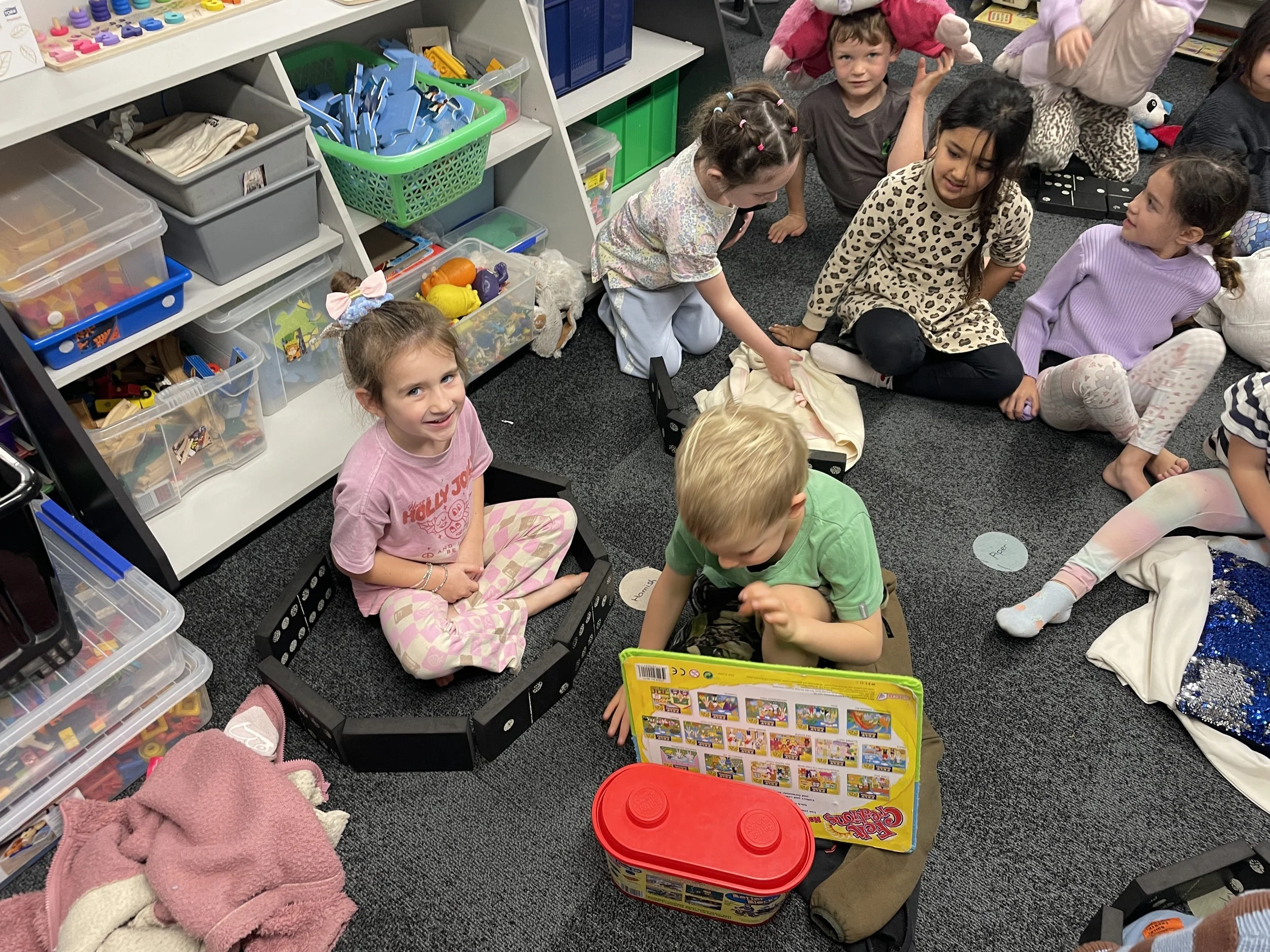
Students decided that they needed to make their own bird nests
As we continued reading, we discovered that Flit used the stars to help navigate his way home. Throughout the story, we slowed down the learning by adding drama conventions that allowed the tamariki to step deeper into the world of the story. We became birds, created freeze frames, shared our thoughts through thought tapping, and explored moments from different perspectives.
These small pauses are some of my favourite moments in drama learning. They allow children time to think, wonder, and contribute their own ideas rather than simply moving quickly from one activity to the next.
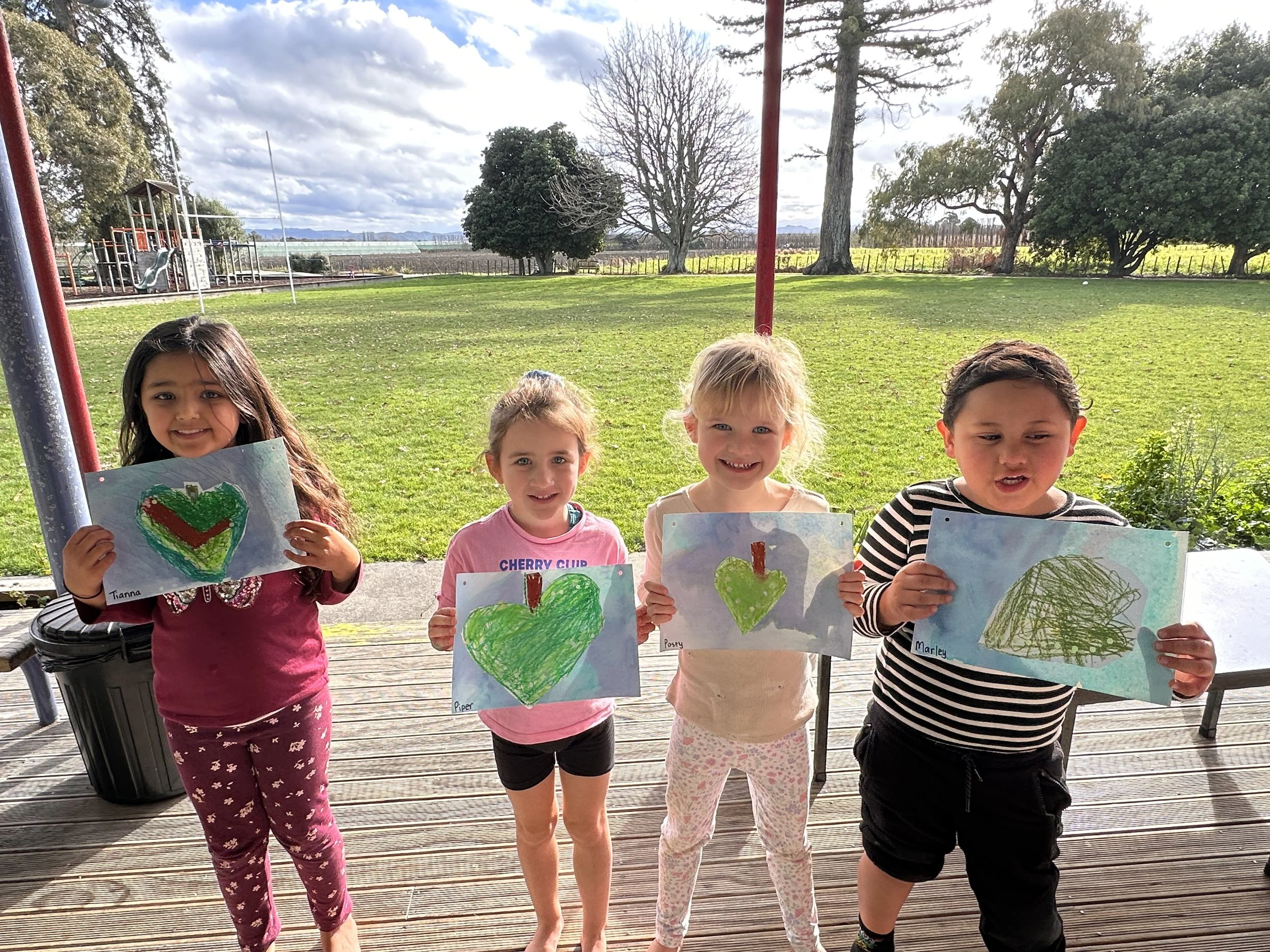
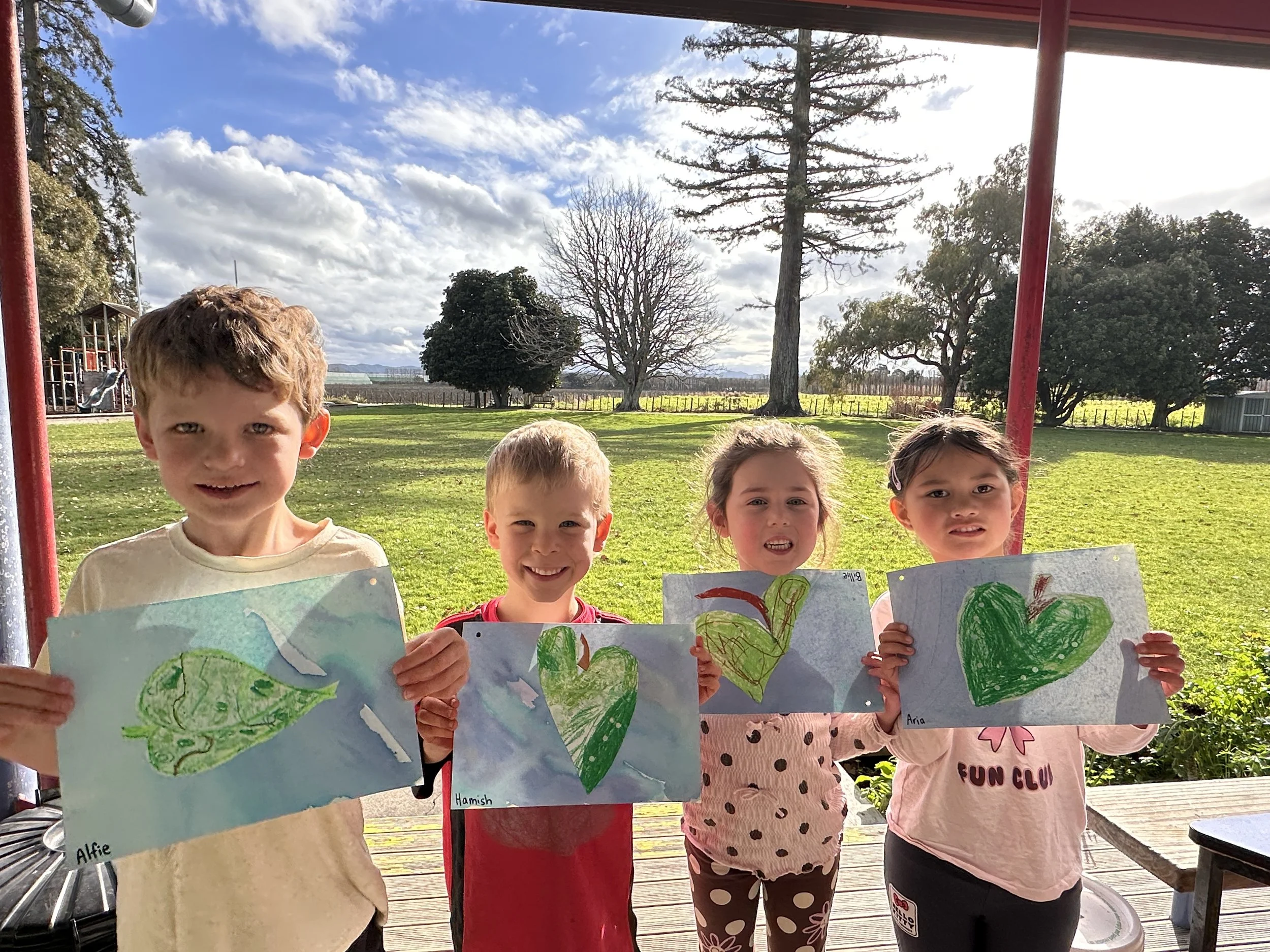
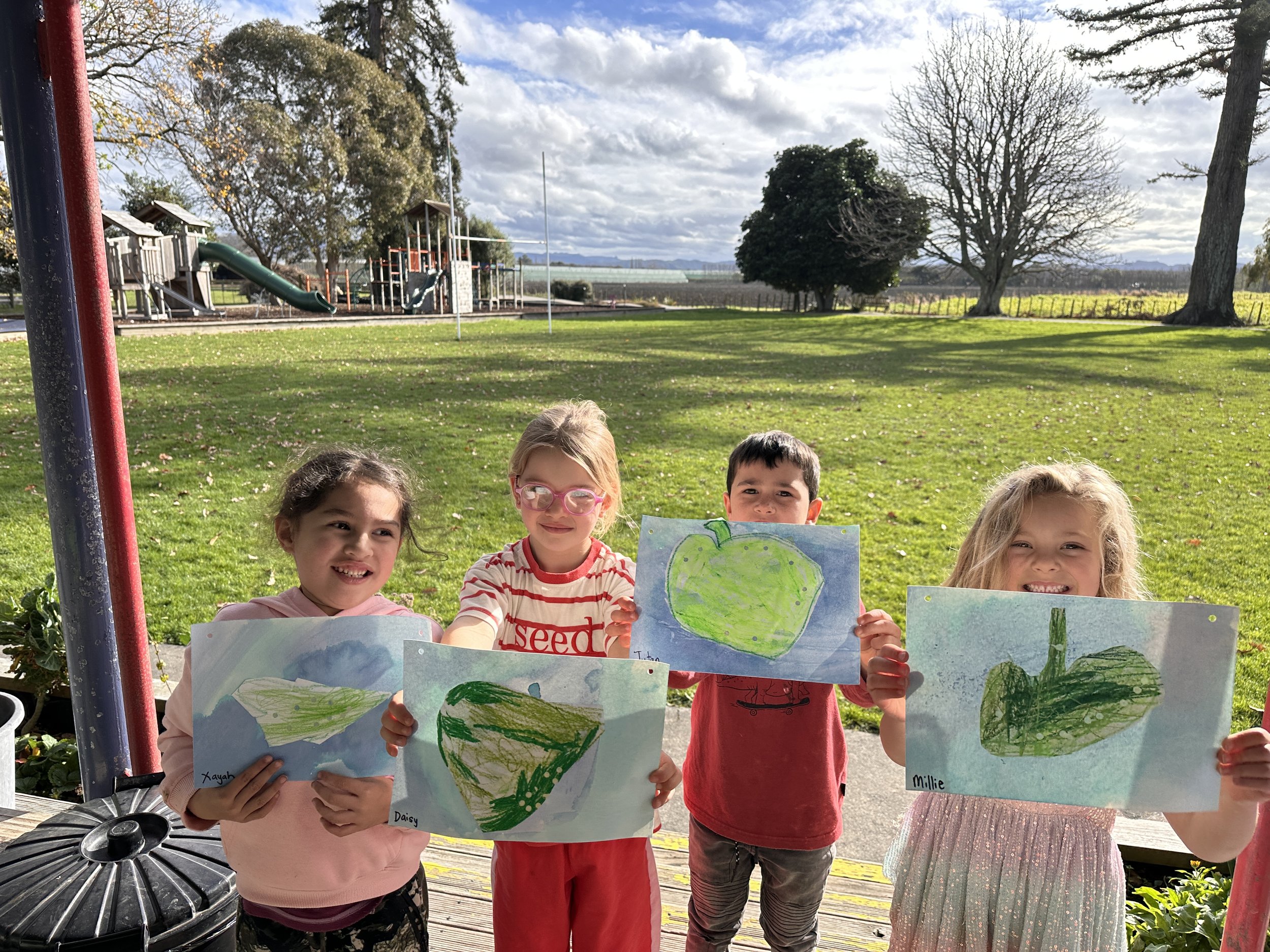
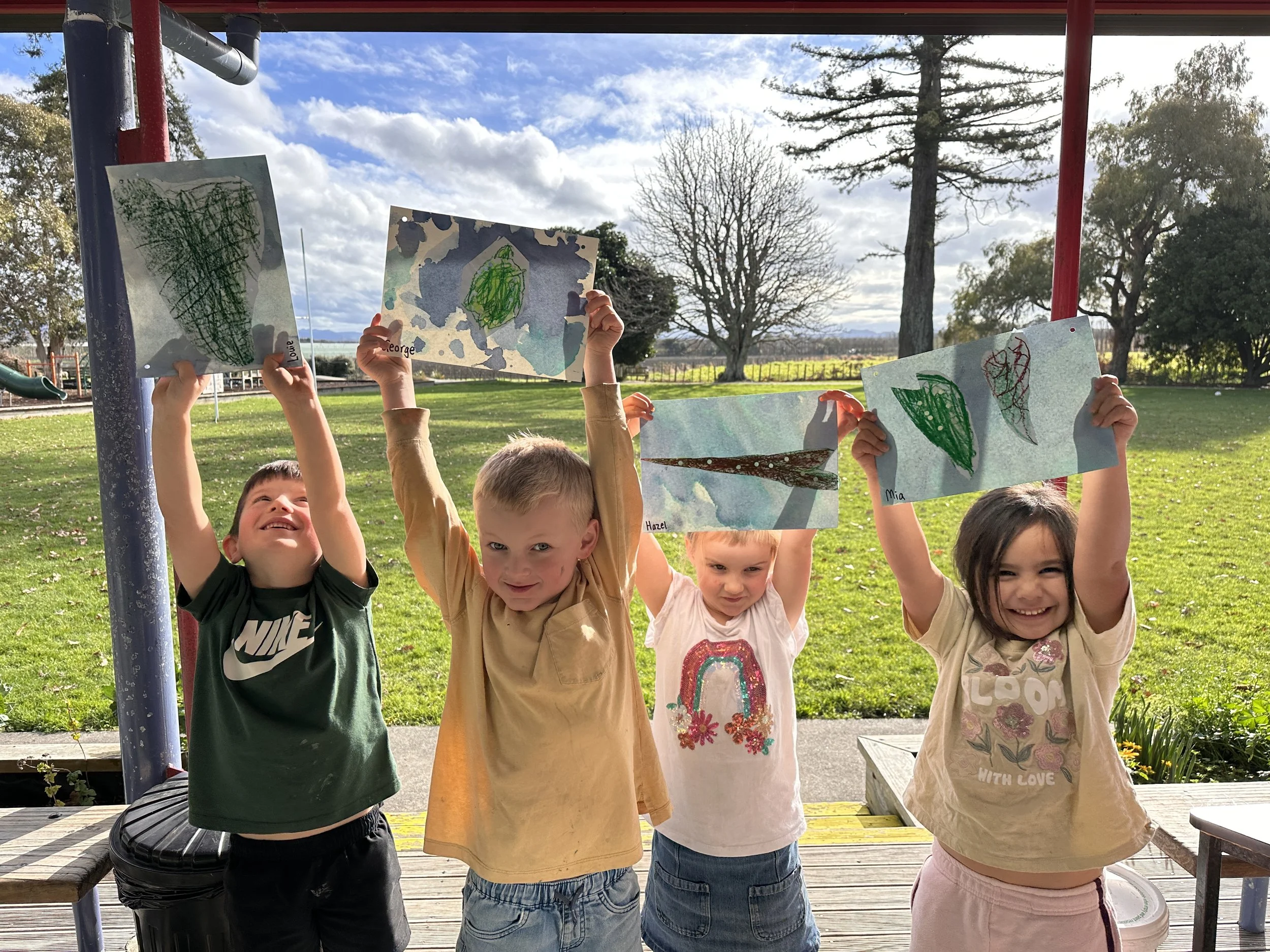
After finishing the story, we created our own Matariki star maps. The art process took longer than I expected, but the tamariki were incredibly proud of their creations. Each map was unique, filled with their own ideas and interpretations of the night sky.
As I reflect back on this unit, I have found myself thinking deeply about the place of Mantle of the Expert and drama for learning in our classrooms.
Teaching this unit to five-year-olds has reminded me that some of the most powerful learning moments cannot always be planned in advance. The richest conversations often came from unexpected questions, moments of imagination, or the ideas the tamariki brought into the story.
As teachers, we are constantly balancing the need to provide intentional, curriculum-aligned learning with the importance of creating space for curiosity, creativity and learner agency. With increasing expectations and a curriculum that requires careful planning and progression, it can sometimes feel challenging to leave room for the unexpected.
However, I believe this is where approaches like Mantle of the Expert and drama for learning become such valuable tools within our kete. They do not replace intentional teaching or curriculum goals; instead, they provide a way to weave those goals into meaningful contexts where learners are actively engaged, making decisions and building knowledge together.
This journey with Sheepy has shown me that even our youngest learners are capable of incredible thinking when they are given a reason to care. They can plan, problem-solve, collaborate, imagine and take ownership of their learning.
Perhaps the greatest lesson I have taken from this unit is that we do not need to choose between structured learning and creative learning. The magic happens when we find the balance — when we have a clear purpose, but still leave enough space for the story, the learners and the learning to take us somewhere unexpected.
And as Sheepy’s adventure comes to an end, I am already wondering… where might the next journey take us?