Guiding the Way: Reflections from a Mantle Journey – Sheepy's Adventure Around Town
Nā tō rourou, nā taku rourou, ka ora ai te iwi
With your food basket and my food basket, the people will thrive
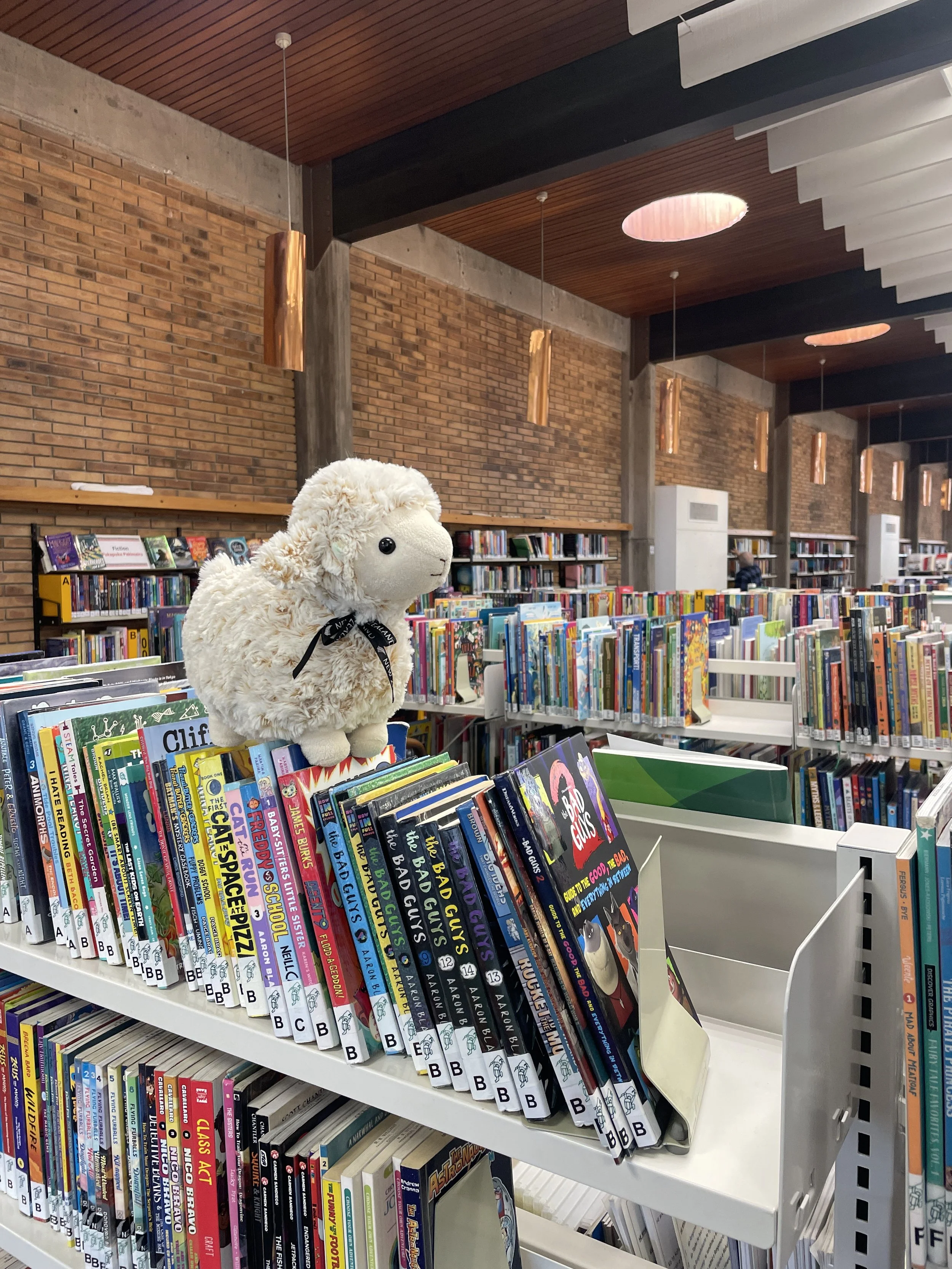
There was a quick turnaround between this lesson and the last. Over the weekend, I became Sheepy's chauffeur, taking him around our community to visit all the places the children had suggested. Everywhere we stopped, I took a photo of Sheepy so I could bring his adventures back into the classroom.
I wasn't entirely sure how the children would respond, but as soon as I began showing the photos, I knew it had been worth it. One by one, we explored Sheepy's adventures together.
Where is Sheepy?
How do you know?
What happens here?
Why is this place important?
The conversations flowed naturally. The children weren't just identifying places, they were sharing their own experiences. They talked about visiting the supermarket with their whānau, borrowing books from the library, buying toys, going to the doctor when they were sick, and spending weekends at the playground. It quickly became clear that these weren't simply places on a map. They were places that held memories.
To bring the photos to life, we stepped back into our imagined world. As each new photo appeared, we became Sheepy.
"Let's all be Sheepy walking through the supermarket. What should we buy? What might we choose for our school lunches?"
"Let's all be Sheepy at the playground. Which equipment shall we climb on first?"
The children threw themselves into each invitation. Every new place became another opportunity to play, imagine and talk. Then disaster struck. While climbing the tall spider-web net at the playground, Sheepy slipped and hurt his arm.
Without missing a beat, one little boy announced,
"Sheepy needs to go to the doctor and make sure his arm is alright!"
I smiled and quietly reached for the next photograph. It was Sheepy standing outside the hospital. It felt as though the children had written the next part of the story themselves.
As we worked through each photograph, we gradually built a shared map of our community. This wasn't about creating a perfectly accurate map. Instead, I wanted the children to begin making the connection that maps represent real places. We talked about where each place belonged.
Was it close to the school?
Was it further away?
Which places were next to each other?
The children's thinking wasn't always geographically accurate, but that wasn't the goal. They were beginning to understand that places have relationships with one another and that maps help us make sense of those relationships.
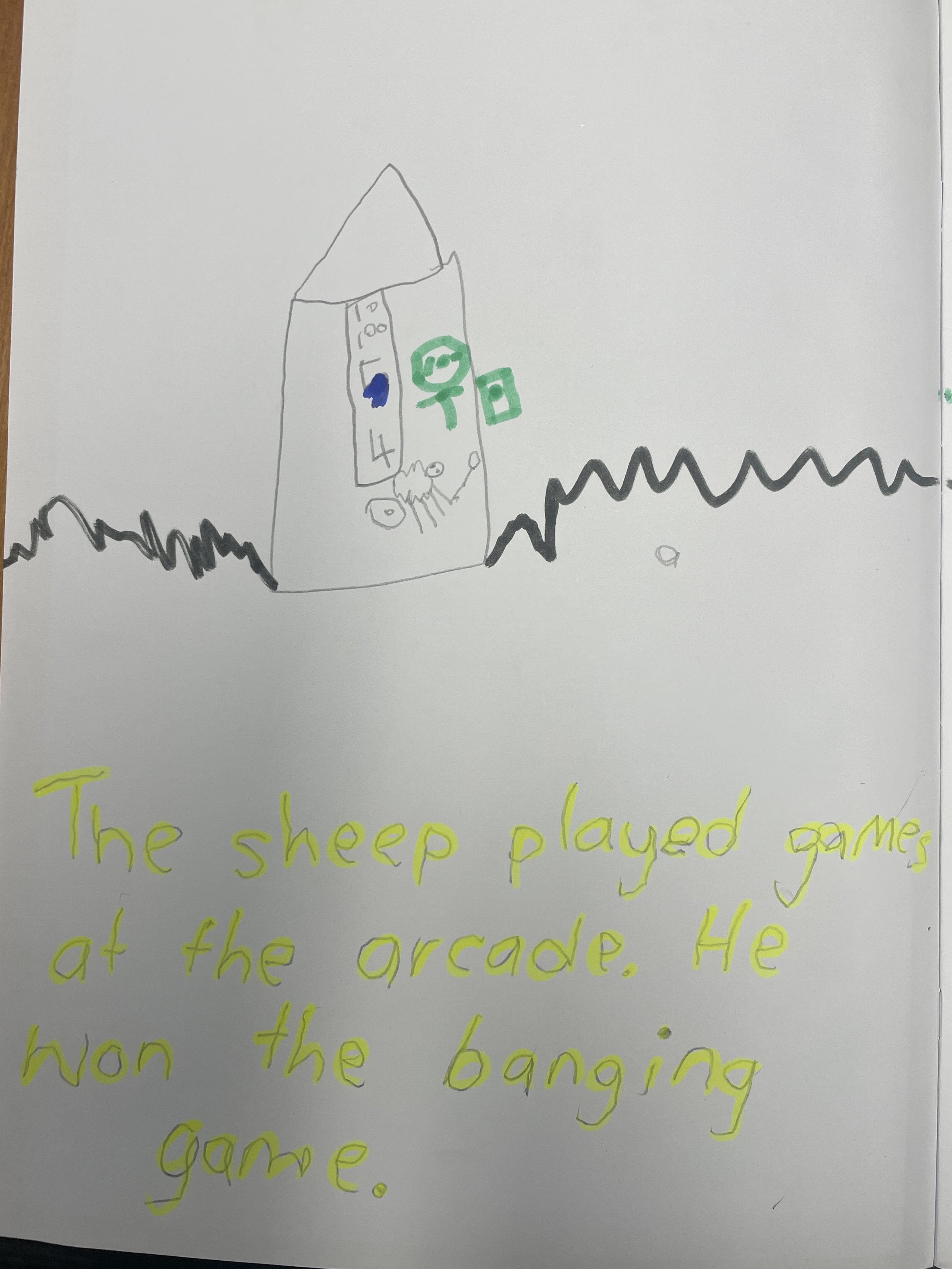
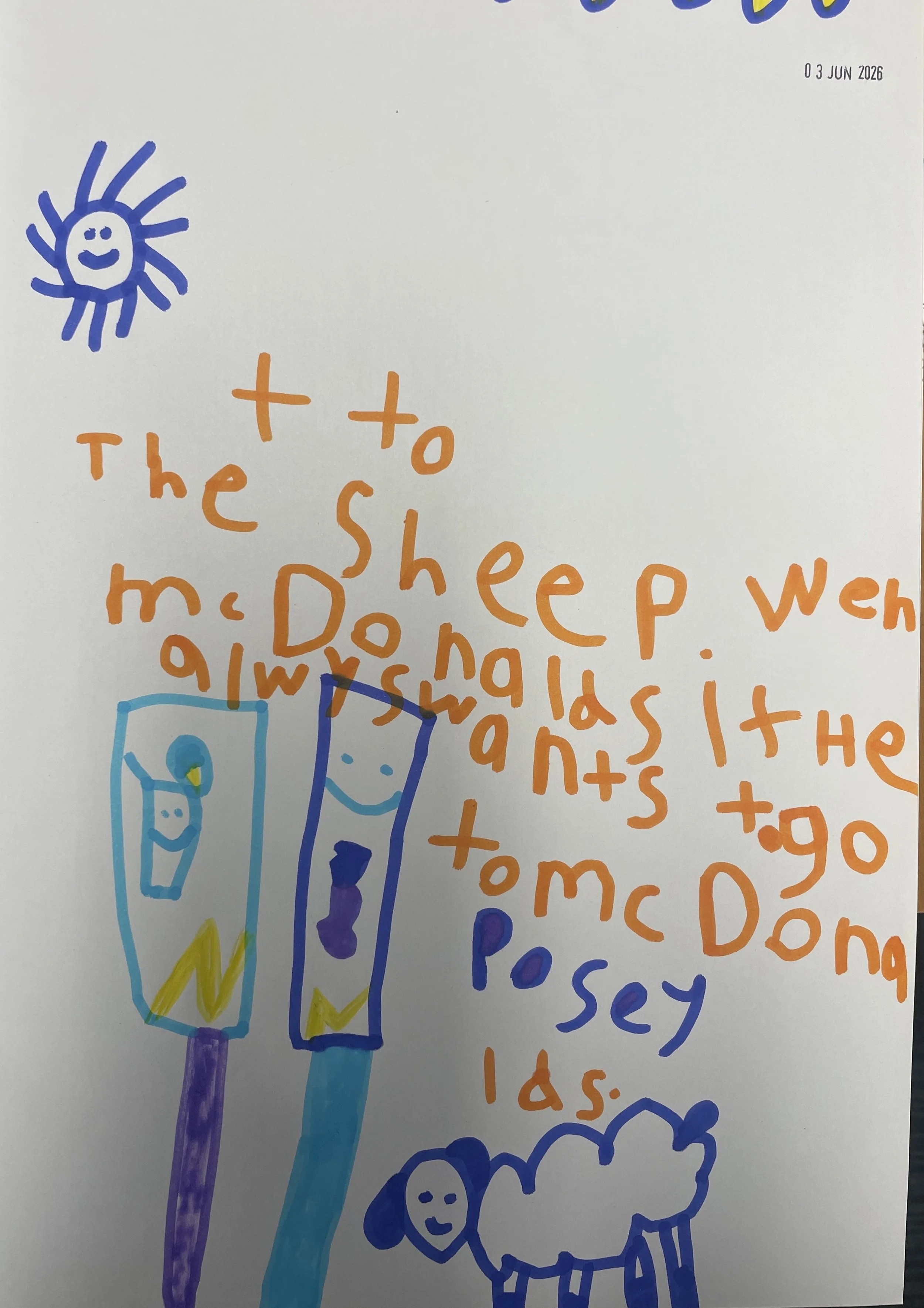
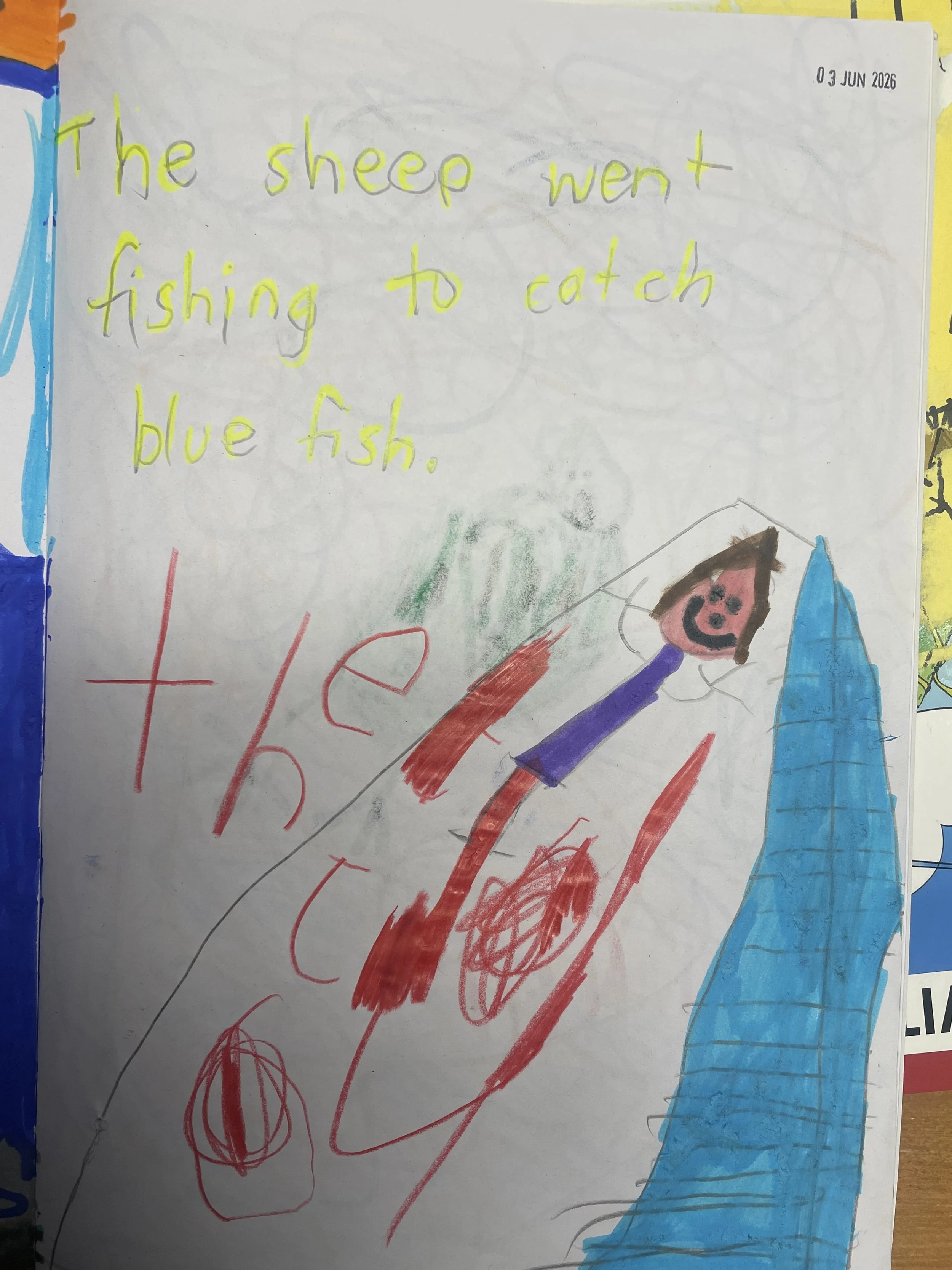
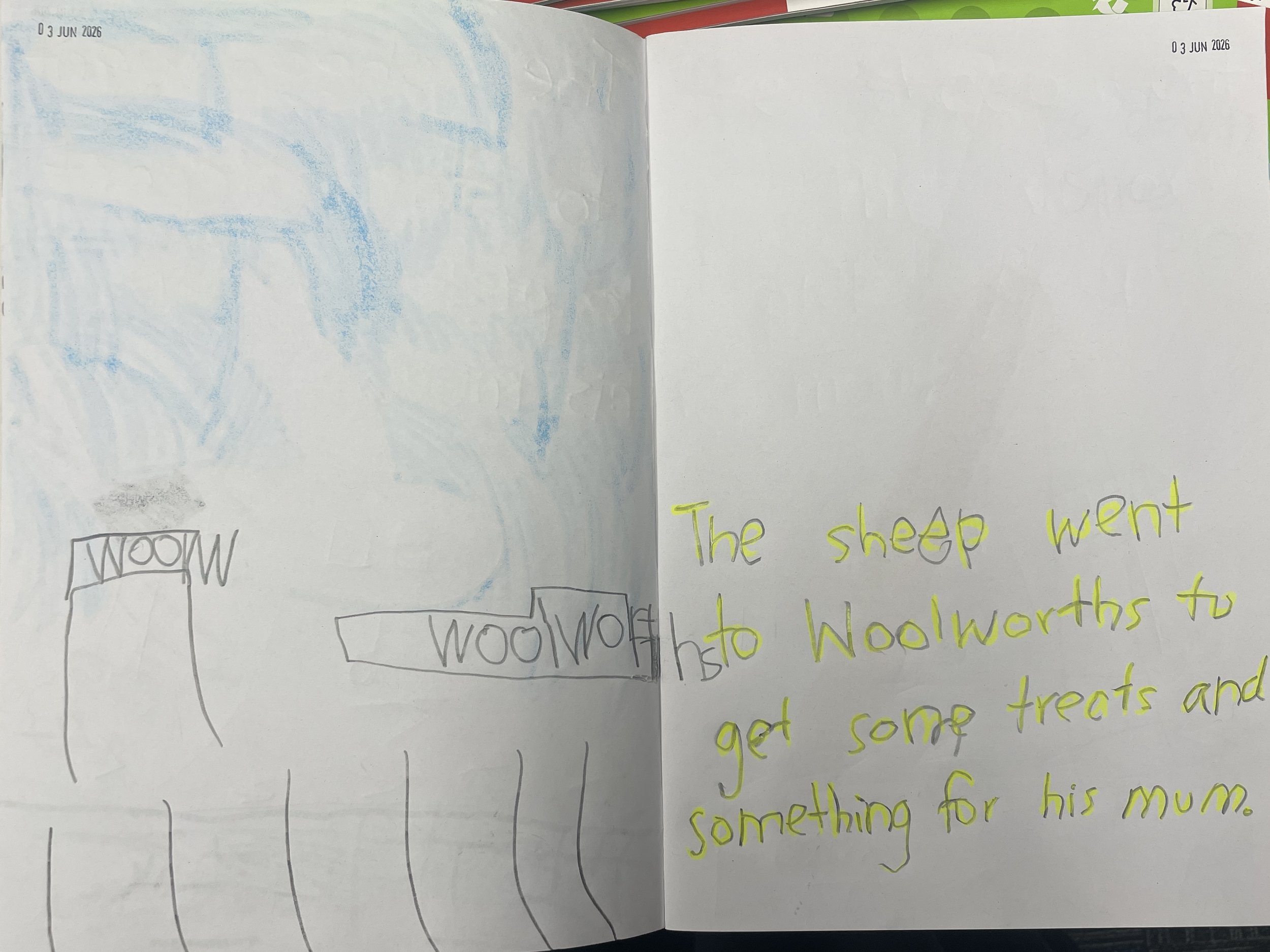
To finish the lesson, the children recorded part of Sheepy's adventure in their books. They chose one or two places he had visited, drew a picture and wrote about his journey. For some children, I acted as their scribe, recording the sentences they confidently dictated. Others were ready to write independently.
Looking back, I realise this lesson wasn’t really about mapping. It was about language. Every photograph sparked conversation, storytelling, and shared memories. Sheepy gave the children a reason to talk, to explain, to justify their thinking, and to connect their own experiences with those of others. In this way, the map became more than a representation of places. It became a space for meaning making.
Teaching through Mantle allows us to learn together, each bringing our own experiences and building understanding through one another. This kind of shared learning is both powerful and necessary, and it allows us all to thrive.