
One of the things we explored at Spring School was the meaning behind the name Mantle of the Expert. It is a phrase that many of us working with Dramatic Inquiry are familiar with, but during our discussions with Tim and the other educators, I found myself thinking more carefully about what it actually means to place children in the position of experts.
At first glance, you might assume it means asking children to pretend they know a lot about something. They become scientists, historians, archaeologists or a team of specialists, and we give them a task to complete. But there is something much more interesting happening within a Mantle of the Expert than simply taking on a job title.
The word expert isn't necessarily about what the children already know. It is about the position they are given within the story, and what comes with that position.
During Spring School, we explored this through the idea that a Mantle gives children power, responsibilities and values. These three things work together to shape who the team is, what they are there to do and how they are expected to approach their work.
I found this a useful way of thinking about the planning behind a Mantle, because it moves us beyond deciding what the children will be called or what their commission will be. It asks us to think about what being part of this team actually means.
What power do they have? What are they responsible for? What matters to them as they carry out their work?
These questions can make a real difference to the kind of learning experience we create.
What does it mean to have power?
When children take on the role of a team of experts, they need to have some genuine agency within the story. They need to be able to make decisions, investigate problems, ask questions and work out what should happen next.
That doesn't mean they have unlimited power, or that the teacher steps away from guiding the learning. The teacher still holds the wider purpose, the curriculum and the shape of the inquiry. But within that framework, the children have a reason to think and act for themselves.
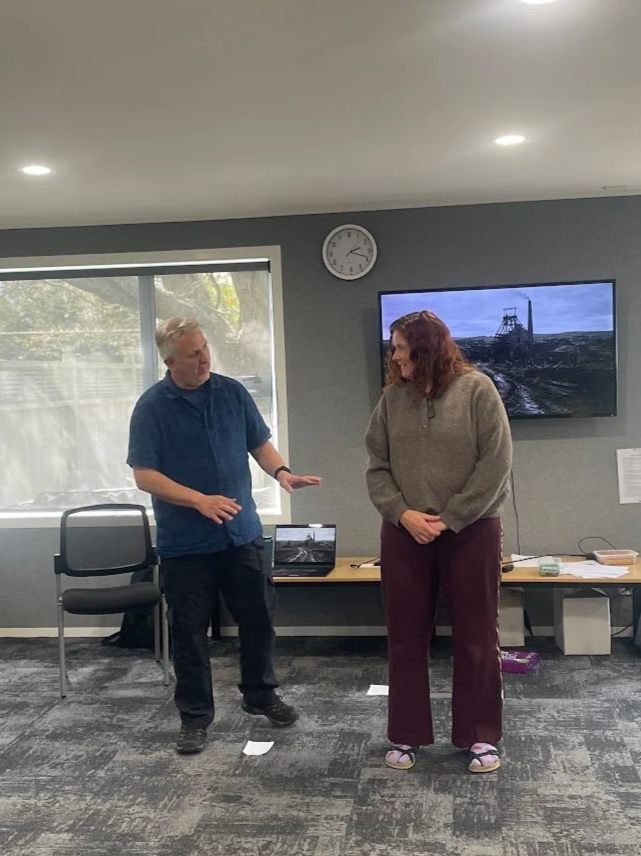
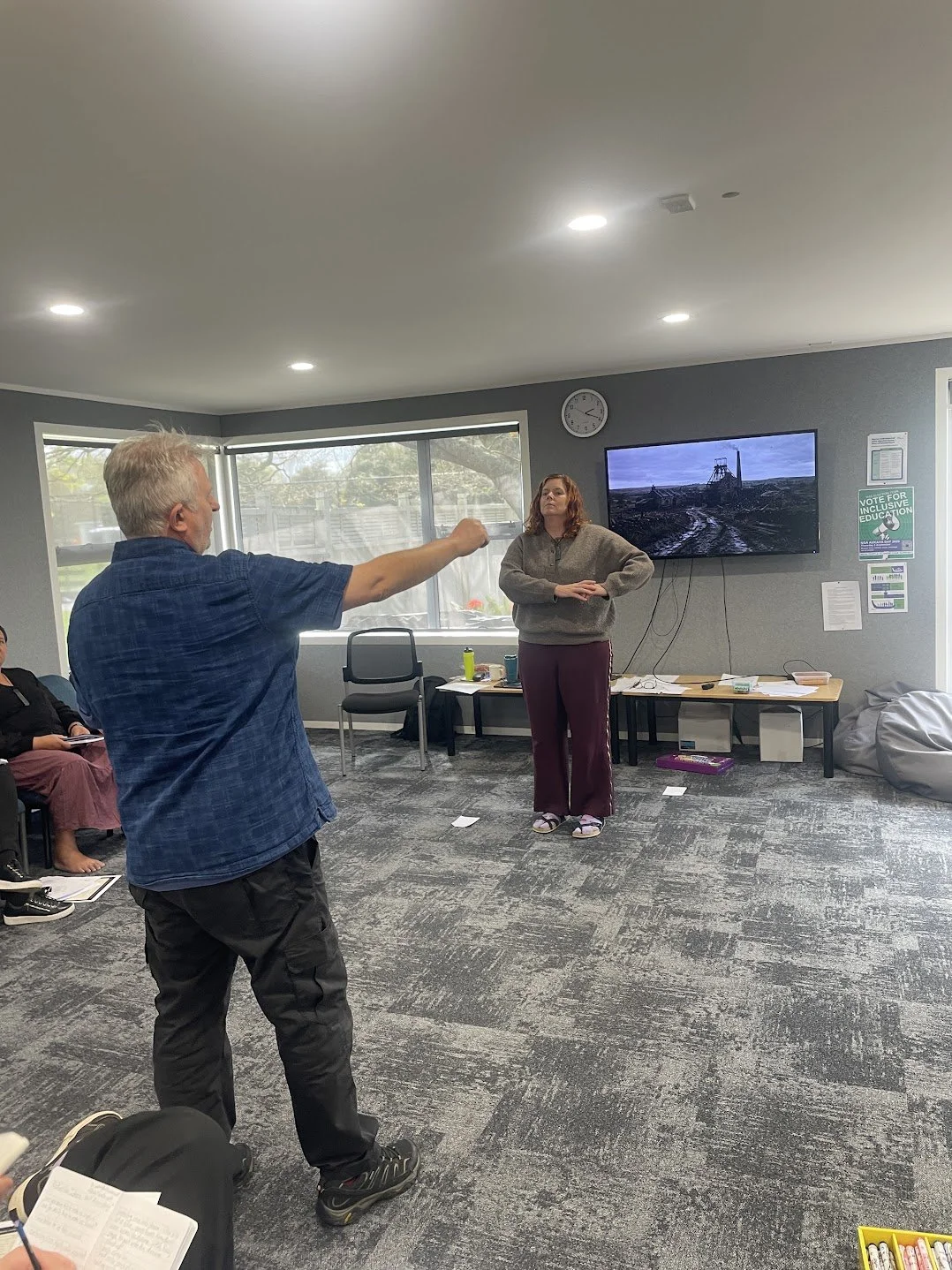
At Spring School, we explored a Mantle centred on investigating child labour in Victorian mines. We were placed in the context of 1840, taking on the role of a team investigating the conditions children were working in underground. Our job was not simply to learn about Victorian working conditions and then write about them. We had a reason to investigate. We needed to find out what was happening, ask questions, consider different perspectives and report back on what we discovered.
As a team, we had some power to investigate and gather information, to question people and to make a case for what we believed needed to change. But our power also had limits. We weren't simply able to walk in and change the whole system ourselves.
That tension was important. We had a responsibility to investigate, but we also needed to work out how to use the influence we had.
It made me think about how much more meaningful a learning experience can become when children have decisions to make and a genuine reason to make them. Rather than waiting for the teacher to tell them what to think or do next, they have a role to fulfil and a problem to work through together.
Responsibility gives the work purpose
The second part of the Mantle is responsibility. Once children have been placed in a position where their decisions matter, they also need something to be responsible for.
In the mine investigation, we weren't just a group of people visiting a mine. We were an investigation team, and our work mattered. We needed to understand the conditions children were working in, ask questions of the people involved and consider what we would report back.
We had to think about what information we needed, whose perspectives we should hear and how we would approach people who might not agree with us. There were difficult questions to consider, and we couldn't necessarily assume that everyone would tell us the same story.
This is where the learning becomes more than completing a set of activities. The responsibility gives the work a reason to continue. If we need to report our findings, we have to gather evidence. If we need to question a mine owner, we need to prepare our questions. If we want our concerns to be taken seriously, we need to be able to explain our thinking.
The reading, writing, discussion and investigation all become part of carrying out our responsibility as a team.
I think this is an important distinction. We aren't simply telling children that their work is important. We are creating a situation in which they can understand why it matters within the world they are working in.
What does the team value?
The third part, values, adds another layer to the way we think about the Mantle.
A team might value curiosity, integrity, teamwork or fairness. These values help shape how its members approach their work and make decisions. They can also create interesting tensions within a story, particularly when the team has to deal with people whose values or interests are different from their own.
In our mine investigation, we needed to be curious enough to ask questions, honest enough to consider the evidence and fair enough to listen to different perspectives. We were investigating a difficult situation, and it would have been easy to decide what we thought before we had heard from everyone involved.
The mine owner, the families and the children working underground might all have different perspectives on the same situation. Understanding those perspectives doesn't mean agreeing with everyone, but it does mean taking the time to investigate rather than making assumptions.
This is one of the things I find particularly valuable about working within a Mantle. Children can explore complex situations through the responsibilities of their role. They have opportunities to consider why people make particular choices, what influences those choices and what happens when people have competing needs or beliefs.
These conversations can be difficult to have when they are presented only as questions for children to answer. Within a story, however, the children have a reason to explore them. They need to understand the people they encounter because those people are part of the work they have been asked to do.
Bringing the three together
Thinking about power, responsibilities and values together has helped me understand why the Mantle is about more than giving children an interesting role.
A team might have the power to investigate, but it needs the responsibility to do that investigation carefully. It might be responsible for reporting back to a client, but its values will influence what it considers important enough to report. The three elements work together to shape the identity of the team and the way it approaches its commission.
They also give us useful questions to return to when planning. If we know who the children are within the story, what they are responsible for and what they value, we can begin to make more deliberate decisions about the experiences we create for them.
It also reminds me that the children don't have to arrive with all the knowledge they will need. In fact, the need to find things out is often what drives the inquiry forward. They can begin as a team with a responsibility to investigate, and develop their knowledge and understanding as they carry out the work.
That is a very different starting point from expecting children to become experts simply by pretending to be one.
For me, this was one of the useful ideas to take away from Spring School. The Mantle isn't just a label we give a group of children. It is a way of establishing who they are within the story, what they have the power to do, what they are responsible for and what matters as they do it.
And when those things are thoughtfully considered, the learning has a purpose that reaches beyond the task in front of them.
